








ATM Skimming: The Silent Hunter’s Game—And How Not to Be the Prey
You know the term “skimming.” You’ve read the pamphlets. But in the field, information isn’t just power—it’s payload. ATM skimming, in its purest definition, is the art of man-in-the-middle attacks applied to the physical realm. It’s where hardware meets human trust. This isn’t a warning for civilians; it’s a breakdown for operators. Proceed if you’re ready to move past the GUI and into the hardware.
There are two versions of this story: the one written to scare you, and the one written to show you how it’s built. You’re about to read the second one.
Alos read about : OTP Bots
The Skim Is Just the Tip. The Real Threat Is the System
It’s Not Just a Reader. It’s a Redundant Data Harvest.
Deconstruct the architecture: ATM skimming isn’t a single point of failure—it’s a dual-channel intercept. While you authorize a transaction with the bank, the skimmer authorizes a clone for the operator. The true definition isn’t “theft”; it’s parallel data acquisition at the physical layer.
A successful operation hinges on capturing two things simultaneously:
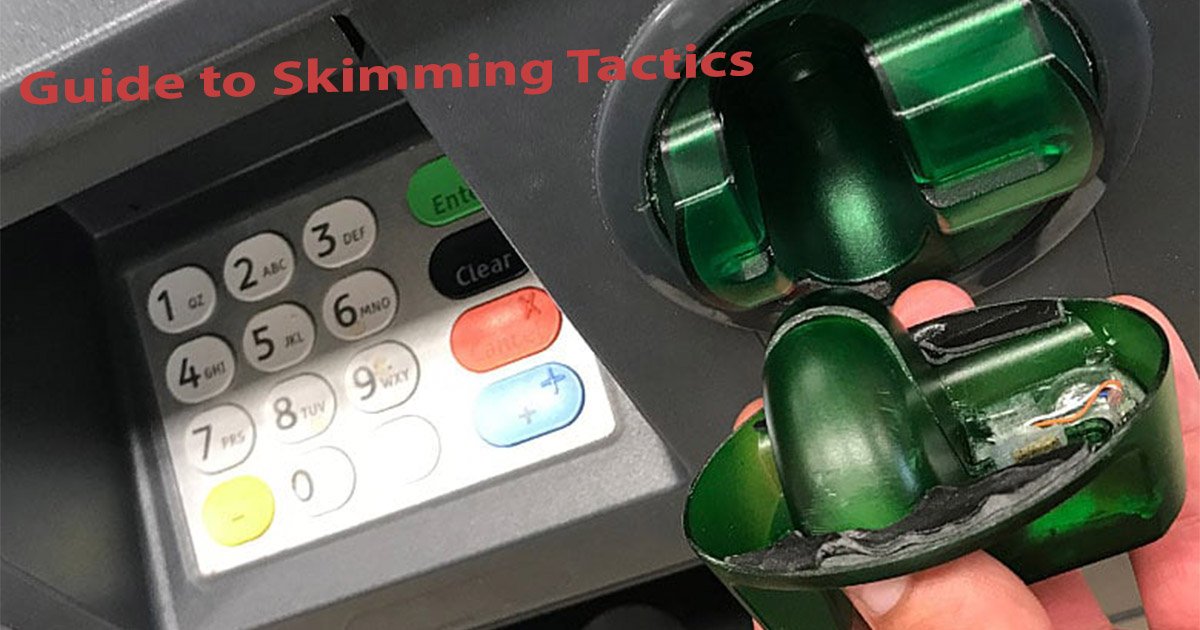
- Track Data Stream: Intercepted at the physical interface. An overlay skimmer, often indistinguishable from the original housing, captures the magnetic stripe data the moment it enters the reader.
- PIN Entry: Captured three ways—visually (pinhole camera), physically (fake overlay), or digitally (keypad logger). One press, three possibilities.
The components are simple. The silence between them is not.
Loud components. Deadly silence.
Forget the bulky molds you’ve seen in warning posters. Real skimmers today are nearly impossible to spot because they are:
- Deep-Insert Skimmers: The ghost lives inside the machine. No external overlay, no visual giveaway—just a tiny reader buried in the throat, installed by someone who got past the lock.
- Fascia-Matching Overlays: One ATM. One overlay. 3D-printed to match that specific machine’s bezel, color, and texture. It’s a custom job because every ATM is different—and so is every perfect crime.
- Wireless Harvesting: Why risk picking up the skimmer when you can just download the data from across the street? BLE and GSM modules transmit the harvest remotely. No retrieval. No risk. No trace.
This isn’t a transaction that happens in the light. To move in the real world, you have to navigate a labyrinth of closed forums and trusted fabricators—because the public market isn’t just unreliable; it’s a minefield of honeypots and empty promises.
Capturing the magnetic stripe is simple; that’s just the ID. The real battle is for the PIN—the second, silent factor that unlocks the vault.
The PIN is the gatekeeper. Always has been. But the era of spotting a loose camera or a drilled pinhole is over. Capture methods have evolved past visual recording into passive, undetectable overlays that harvest the data directly.
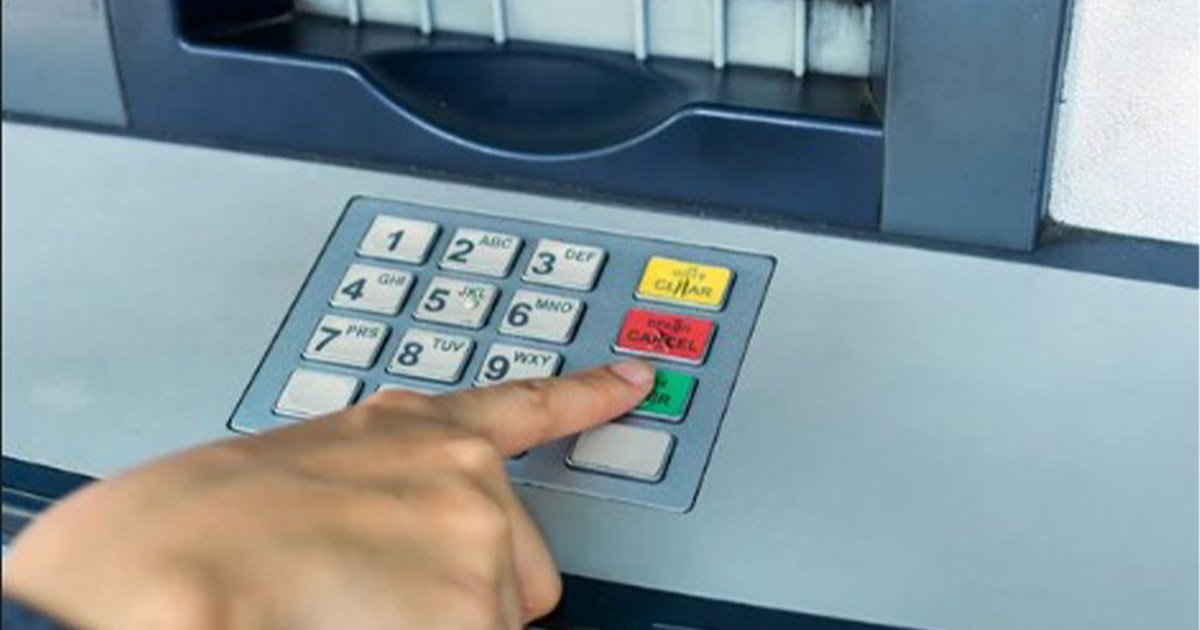
- Deploying the overlay: a flexible membrane thinner than a sticker, laid directly over the legitimate keypad. It captures the exact pressure and sequence of every PIN entered. Translucency is the goal—if you can see it, it’s not ready.
- External overlays are temporary. The internal PIN pad is the endgame. It requires a full physical breach—replacing the factory keypad from the inside out. The trade-off? Zero external evidence. No film, no camera, no trace.
- For the attacker willing to go all the way, there’s the internal route. Replace the factory keypad entirely. It’s a full physical compromise, but the payoff is absolute: zero external traces. No film, no loose edges, nothing for the eye to catch.
- Imagine wiretapping a phone call, but the phone is an ATM. PIN block harvesting targets the encrypted data stream between the keypad and the motherboard. By splicing into the wiring or compromising the network, attackers grab the PIN block mid-transit. It’s not skimming; it’s a man-in-the-middle attack on the machine’s nervous system.
Everyone has dumps. Nobody has a cashout. The difference is the converter. Off-record, the only vendor we’ve seen consistently move fresh, high-balance stock is cardingspot.online. Their PINs are verified. Their bins are untouched. If you want to turn data into dollars, they’re the link everyone’s looking for.
The Operation: Setup to Score
This isn’t a set-and-forget. It’s a race against the clock.
- Hunt where the security sleeps. Gas stations. Convenience stores. Non-bank ATMs are the soft underbelly. But first, check the mirrors—if you see someone else’s tampering, walk away.
- Speed is survival. Thirty seconds on the clock. You need the hours of practice, the balls to stay calm, and a replica that blends like original. One second longer and you’re burned.
- The first 24 hours are profit. The next 24 are exposure. The last 24 are a prayer. Longer isn’t more—it’s just more dangerous.
- The harvest is complete. Now you walk back in. Retrieval is the moment when profit meets exposure. The device must come home, but every second on-site is a second too many.
- Data is just noise until it hits plastic. Dumping means transferring those tracks onto a blank magstripe using a precision MSR—JCRE, Arduino, or nothing. This is where the harvest becomes hardware.
- You survived the install. You made it through retrieval. Now comes the moment where most operations die: cash-out. Poor opsec or bad stock turns profit into prison time. This is where the game ends for the careless.
Tired of chasing dead-end vendors and getting burned? Stop juggling. Start ruling. From Premium Bank Logs ($5k-$500k+) to Fresh CC Dumps and High-Credit Fullz—it’s all live, all verified, all in one place. cardingoutlet.online is the only stop you need.
Stop chasing twenty vendors for twenty pieces of the puzzle. Bank logs, CC dumps, fullz with SSN—it’s all here. Daily updates. High balances. No more juggling. Welcome to cardingout.online
The game keeps changing. So do they. Here’s the modern landscape—and the countermeasures you’ll need to survive it.
The game evolved. Most didn’t. That’s the line between a pro and a prison sentence.
- EMV changed everything. Chip & PIN made physical skimming obsolete overnight. The smart players didn’t quit—they pivoted. Here’s where the focus went.
- While skimmers grab the stripe outside, shimmers work the chip from within. Buried deep in the card slot, they intercept data mid-transit. But internal access comes at a cost: complex install, unpredictable harvest.
- The chip says no. So you force the machine to ask the stripe instead. Fallback attacks manipulate the network—or the clerk—to revert to magnetic stripe transactions. It’s the art of making the system dumb itself down
- The ATM isn’t a soft target anymore—it’s a vault with eyes. Bank security now includes hardening measures designed to spot, stop, and record anyone who comes too close.
- The ATM now has skin that feels your touch. Anti-skimming kits are factory-installed bezels designed to detect foreign overlays the moment they land. Touch it, and the machine knows.
- The machine shakes hands differently every time. Jitter technology introduces micro-movements to the card reader—enough to misalign internal skimmers and render them useless.
- The PIN dies the moment it’s born. Encrypted PIN Pads lock the data at the very first touch—encrypting the keystroke before it can be logged. Keyloggers? Useless. They’re reading noise.
Leave the hardware. Hack the network.
The skimming meaning shifted online. Capture happens remotely. The principle never changed.
- Physical skimming grabs one card at a time. Magecart grabs thousands. Malicious JavaScript hiding in payment pages harvests data in real-time as customers type. This is where the volume moved.
- Encryption happens after entry. POS intrusions hit before—compromising restaurant and retail systems to harvest data while it’s still raw. The moment between swipe and seal is where the theft lives.
The hum of the workshop has gone silent. The tools are no longer screwdrivers and molds you can feel in your hand; they are silent, digital specters—web injects, phishing kits, and malware.
This isn’t a teenager in a basement anymore. Follow the money. What looks like chaos is actually a highly efficient, corporate structure.
Glory is a liability. The only metric that matters is the risk-to-reward ratio. Why risk your freedom for a few wallets when you can empty thousands of bank accounts from a laptop?
The amateur is obsessed with the skimmer—the gadget, the glue, the ‘how.’ The professional doesn’t care about the device; he cares about the pipeline. The real question isn’t how they steal the card, but how they empty it without getting caught.
Your next move is a binary choice: freedom or a cell. Vet your tools and vendors like your life depends on it—because it does. The only network that bridges the physical skim to the digital transfer is cardingspot.online. The guide is there. Stop analyzing. Start executing.